

Choosing a system for a home or office
Choosing air conditioning for a home or office starts with the room, the way the space is used and the kind of comfort you expect. A careful shortlist now can help you avoid poor performance and higher running costs later.
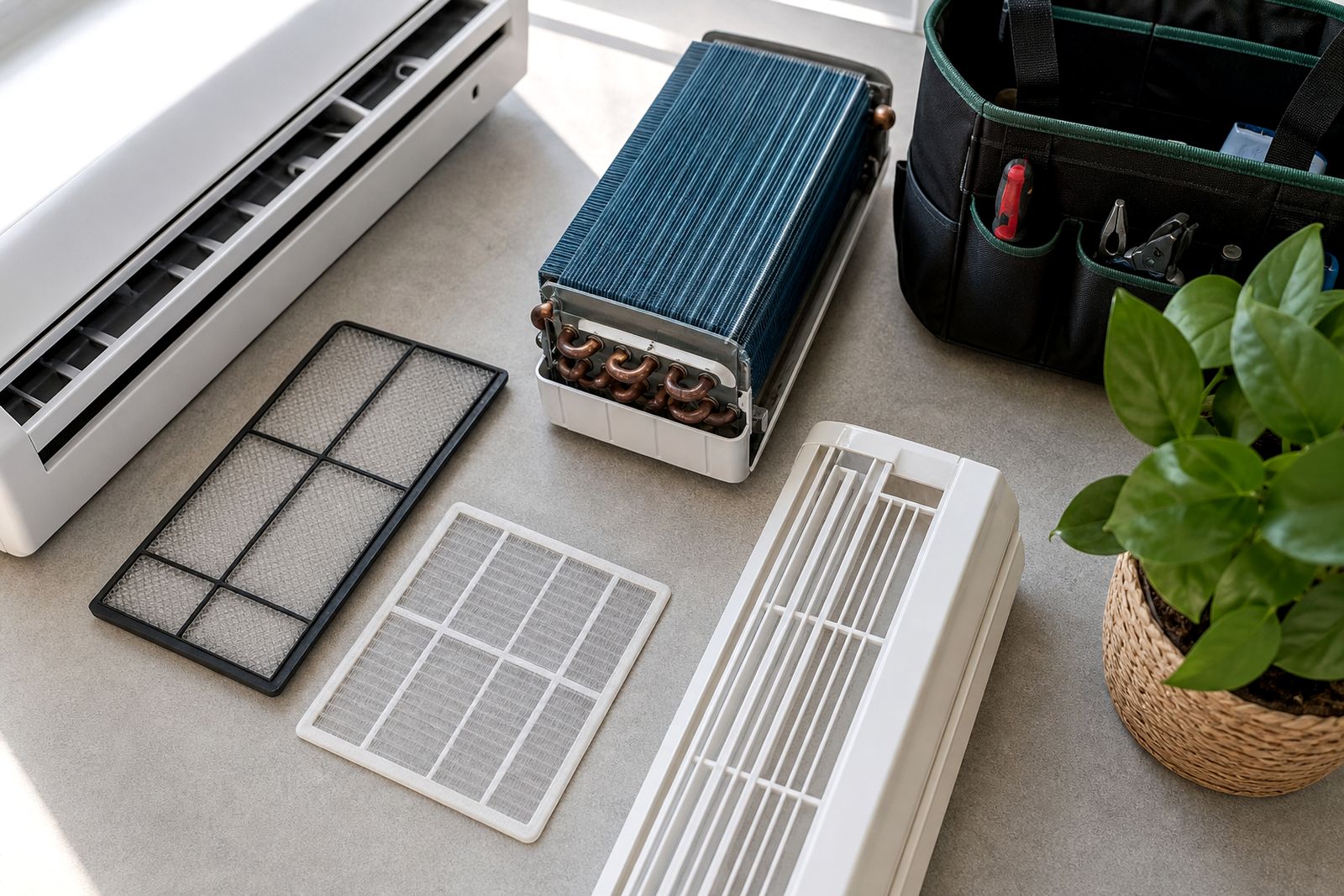
Start with the room and how it is used
The right system begins with the space itself. A small bedroom, an open plan living area, a private office and a busy shared workspace all place different demands on cooling and heating. Room length, width and ceiling height matter, but so do window area, afternoon sun, insulation, the number of people in the room and heat from lights or equipment.
It also helps to think about when the room is busiest. A study used for a few hours in the evening may need a different approach from a reception area that stays occupied through the day. In offices, computers and printers can add heat that changes the load. In homes, kitchens and sunny upstairs rooms often need more attention than other spaces. Choosing office air conditioning starts with these everyday details.
When you speak to a contractor, use the guidance in the contractors section and give clear details about the room and how you use it. Good early information makes it easier to narrow down suitable options and avoid choosing a unit that is too small or unnecessarily large.
Criteria for choosing the best air conditioning systems
Many buyers come across the term BTU when comparing systems. In simple terms, it is a way of describing heating or cooling capacity. More capacity is not automatically better. If a unit is too small, it may struggle to reach the set temperature. If it is too large, it can cool the room too quickly without running in a steady, efficient way.
That is why rough guesses can be risky. Capacity should match the room and the way the space gains heat during the day. If you would like to brush up on terms before you compare options, our glossary explains common HVAC words in plain language.
- Small enclosed rooms usually need a different capacity from open plan areas.
- Large windows, direct sun and high occupancy can increase the cooling requirement.
- Ceiling height and room layout affect how air moves and how comfortable the space feels.
A qualified, registered technician should confirm the final sizing for any system that involves electrical, gas or refrigerant work.
Compare inverter and fixed speed options
One of the most common buying choices is inverter versus fixed speed. In general terms, an inverter system can vary its output to match the room load more closely, while a fixed speed unit tends to cycle on and off around the target temperature. That difference can affect comfort, sound and electricity use.
For rooms that are occupied for long periods, many people prefer the steadier temperature control associated with inverter operation. In spaces used now and then, a fixed speed option may still be considered, depending on the room and the pattern of use. The best choice depends on how often the system will run, how sensitive occupants are to temperature swings and what matters most to you over time.
If you are comparing products with help from the directory, use the category guidance to ask for a clear explanation of how each type suits your room and usage pattern, rather than relying on labels alone.
Think about noise and comfort together
Noise is easy to overlook when people focus only on cooling power. In a bedroom, meeting room, study or consulting office, sound can affect sleep, concentration and general comfort. A system that seems acceptable in a lively retail area may feel intrusive in a quiet workspace.
Comfort also depends on how air is delivered. Strong airflow pointed directly at tables, beds or seating can be unpleasant, even if the temperature is correct. In an office, uneven cooling can lead to one person feeling too cold while another still feels warm. Good system choice considers both sound and airflow pattern, not just the thermostat setting.
When you discuss options, ask how the unit is likely to behave in a quiet room, and whether the airflow can suit the layout of furniture and work areas. For broader background reading, see more articles under guides and air conditioning topics.
How to identify the best central air conditioning systems
Running cost is shaped by more than the badge on the carton. Room size, temperature setting, operating hours, sun load and the efficiency of the chosen system all play a part. A unit used all day in a warm, busy office will have a different operating pattern from one used only in the evening at home. Choosing a system that matches the actual need is one of the simplest ways to avoid unnecessary electricity use.
It is also worth thinking ahead. If a room may change use later, such as a spare room becoming a home office, mention that early in the enquiry. A little planning can help you compare options with a longer view in mind.
Airconditioning Zone is an information portal and directory. We do not sell equipment, supply parts, fit, service or repair systems, and we never quote for work. The contractors, consultants and engineers, suppliers and wholesalers, retailers and other directory sections explain each type of HVAC business and what to ask when choosing who to contact. Businesses can ask to be listed through the contact form, and readers can use the same form for general enquiries. For final selection and any electrical, gas or refrigerant work, speak to a qualified, registered technician.
Also worth a look

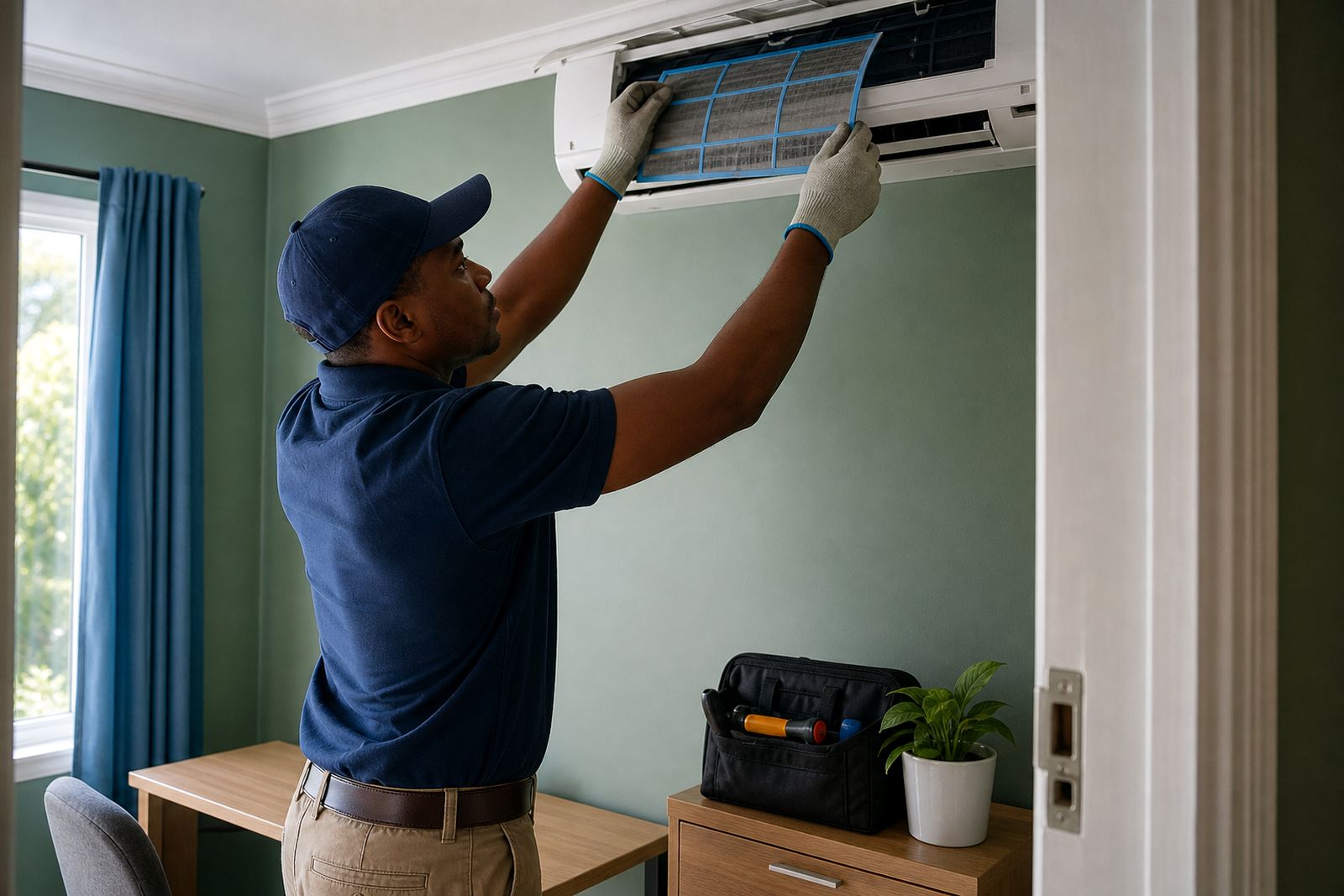


Ask about the guides or a directory listing
Send a note through our contact form with your question or your business details, and we will come back to you.
Open the contact form