Frequently asked questions
Airconditioning Zone publishes general answers to common air conditioning questions for homes, offices and larger buildings. For fault finding or regulated work, use a qualified, registered technician.

What we can help with
We publish practical, plain language answers to questions people often ask about air conditioning, refrigeration and ventilation. That includes everyday topics such as poor cooling, basic upkeep, airflow, filters, settings, ventilation for homes, and what common HVAC terms mean.
Airconditioning Zone is an information portal and directory. We do not sell equipment, supply parts, carry out repairs or quote for work. If you need help choosing the right type of contractor, supplier, wholesaler, consultant, engineer, retailer or allied service, you can continue to the directory for category guidance and suggested questions to ask. If your question is not covered here, send an enquiry through the contact form.
Why is my air conditioner not cooling properly
Reduced cooling can have more than one cause. Before assuming there is a serious fault, check simple owner items first. Make sure the thermostat setting suits the room, doors and windows are closed where possible, and airflow is not blocked by curtains, furniture or dust.
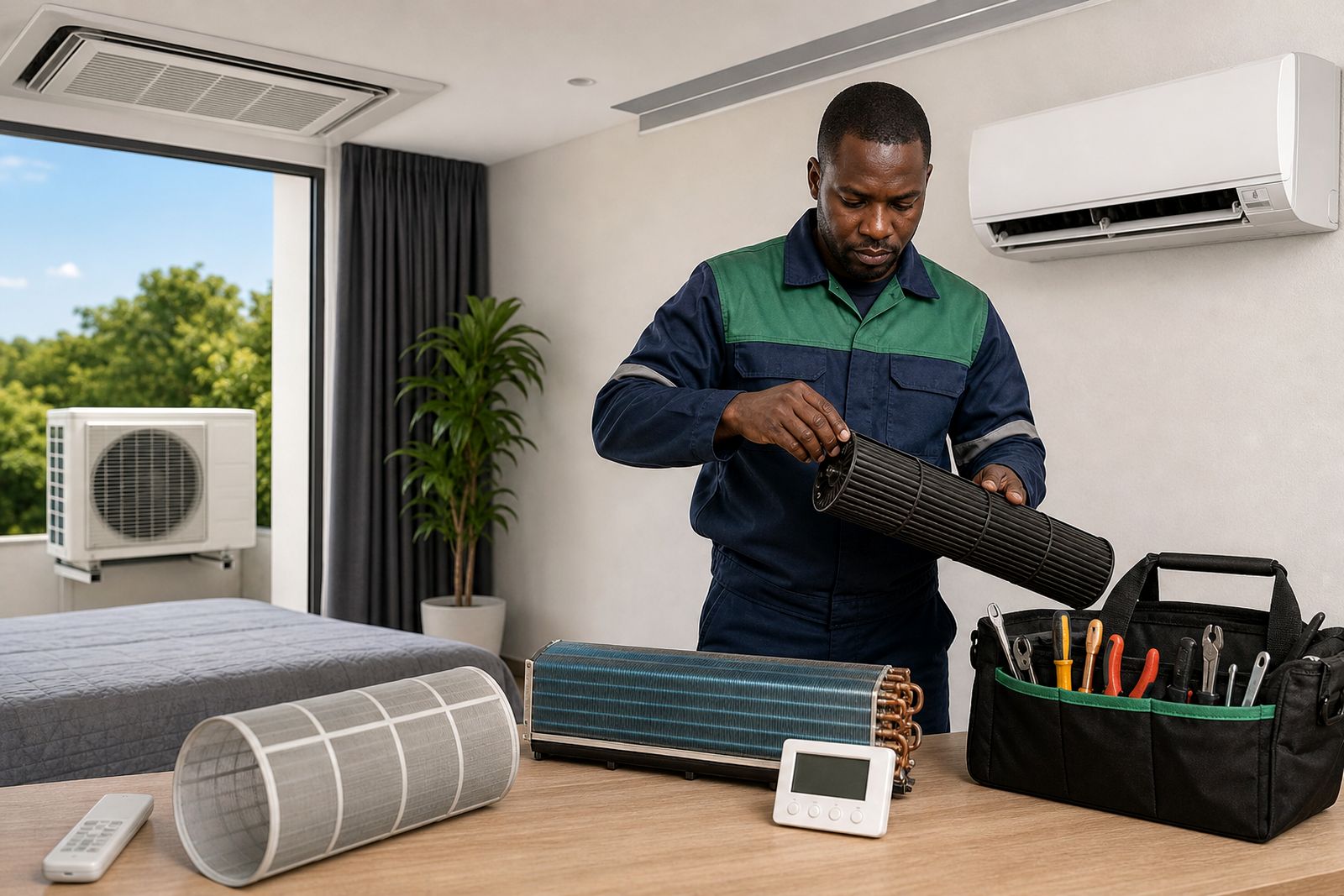
A dirty filter can also restrict airflow and affect comfort. How important is your air conditioner filter? In many cases, more important than people expect. General care is covered in our basic maintenance guide, with extra reading on filters and coils. If the unit still struggles, trips power, leaks, makes unusual noises or shows repeated problems, contact a qualified, registered technician. Electrical, gas and refrigerant work should not be attempted by owners.
How often should I clean filters and check settings
Filter attention depends on use, dust levels and the type of building. A lightly used room may need less frequent cleaning than a busy office or workshop area. As a rule, it helps to inspect filters regularly and keep return and supply grilles clear so air can move properly.
- Check the temperature setting before assuming there is a fault.
- Clean or replace filters as recommended for the unit and environment.
- Keep vents free of dust and obstructions.
- Watch for a sudden drop in airflow, new odours or water where it should not be.
If you are unsure what type of filter you have, start with our filter guide. For unfamiliar terms, the glossary explains items such as inverter, heat pump, refrigerant, BTU, dew point and wet bulb.
How do I choose the right system size and type
Choosing a system is not only about room area. Sun exposure, ceiling height, insulation, occupancy, equipment load, operating hours and the use of the space all matter. A bedroom, open plan living area, server room and retail space may each need a different approach.
Do not lose your cool when selecting an air conditioning contractor. For a general starting point, read choosing a system. The aim is to understand the options before speaking to the trade. For selection and design decisions, especially in commercial or industrial work, use the directory guidance to help you choose and question suitable specialists, such as those described under consultants and engineers or contractors.
When should I ask a technician
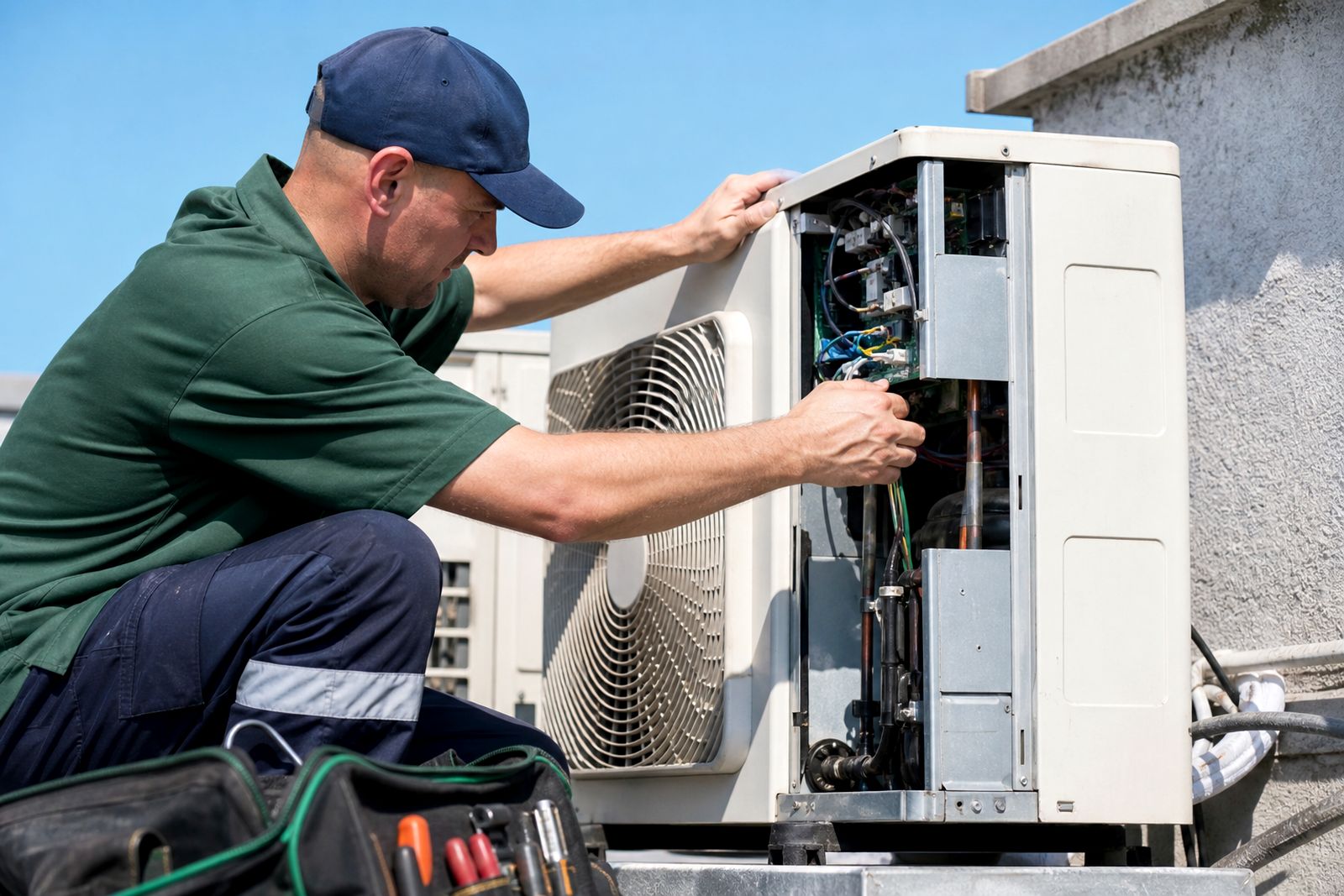
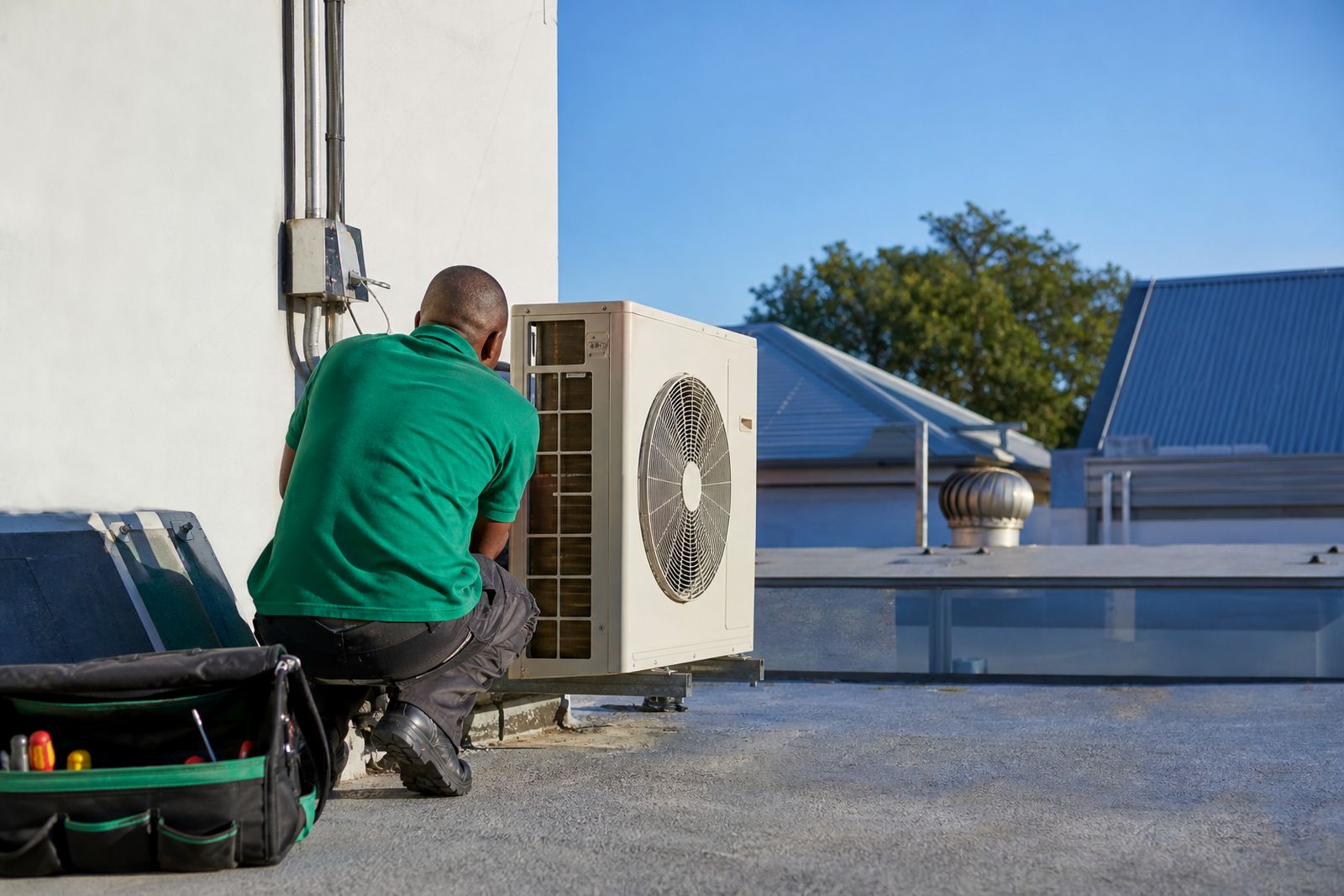
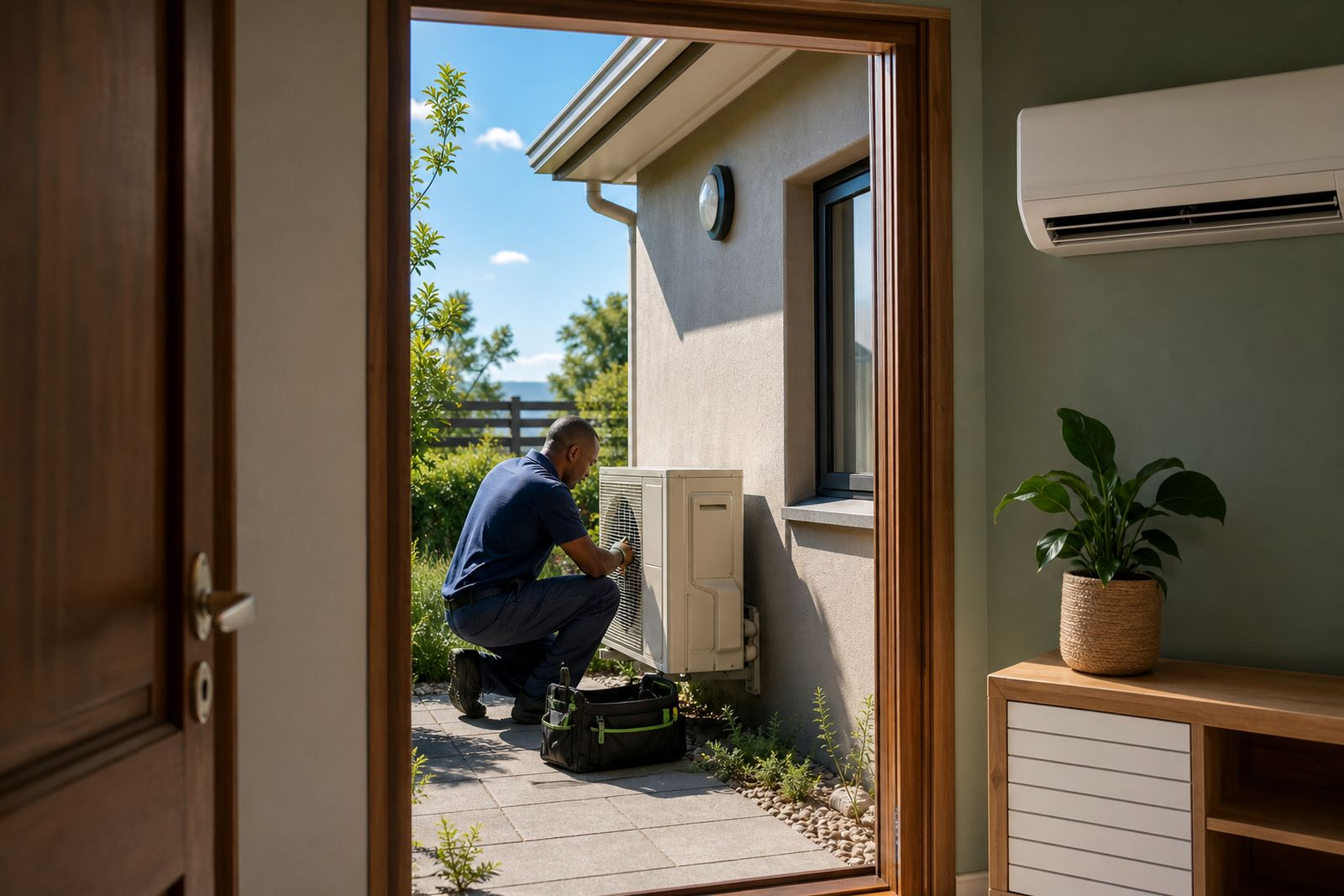
Ask for technical help when a system has persistent poor performance, power related problems, icing, repeated water leaks, fault codes, burning smells or any concern involving wiring, controls, gas lines or refrigerant. Those matters need proper diagnosis by a qualified, registered technician.
If you are still researching, our guides and topics can help you frame the right questions, including what is a heat pump and what does the term HVAC mean. When you are ready to look for a supplier or trade professional, use the directory for category guidance on who to approach and what to ask. For general enquiries about the portal, questions about the directory, or to ask about a directory listing, use the contact form.
Also worth a look
Ask about the guides or a directory listing
Send a note through our contact form with your question or your business details, and we will come back to you.
Open the contact form