

Why clean coils matter
Coils do much of the hard work in air conditioning and refrigeration, and dirt on their surfaces quickly affects performance. Keeping them clean protects efficiency, airflow and component life.
What coils do in a cooling system
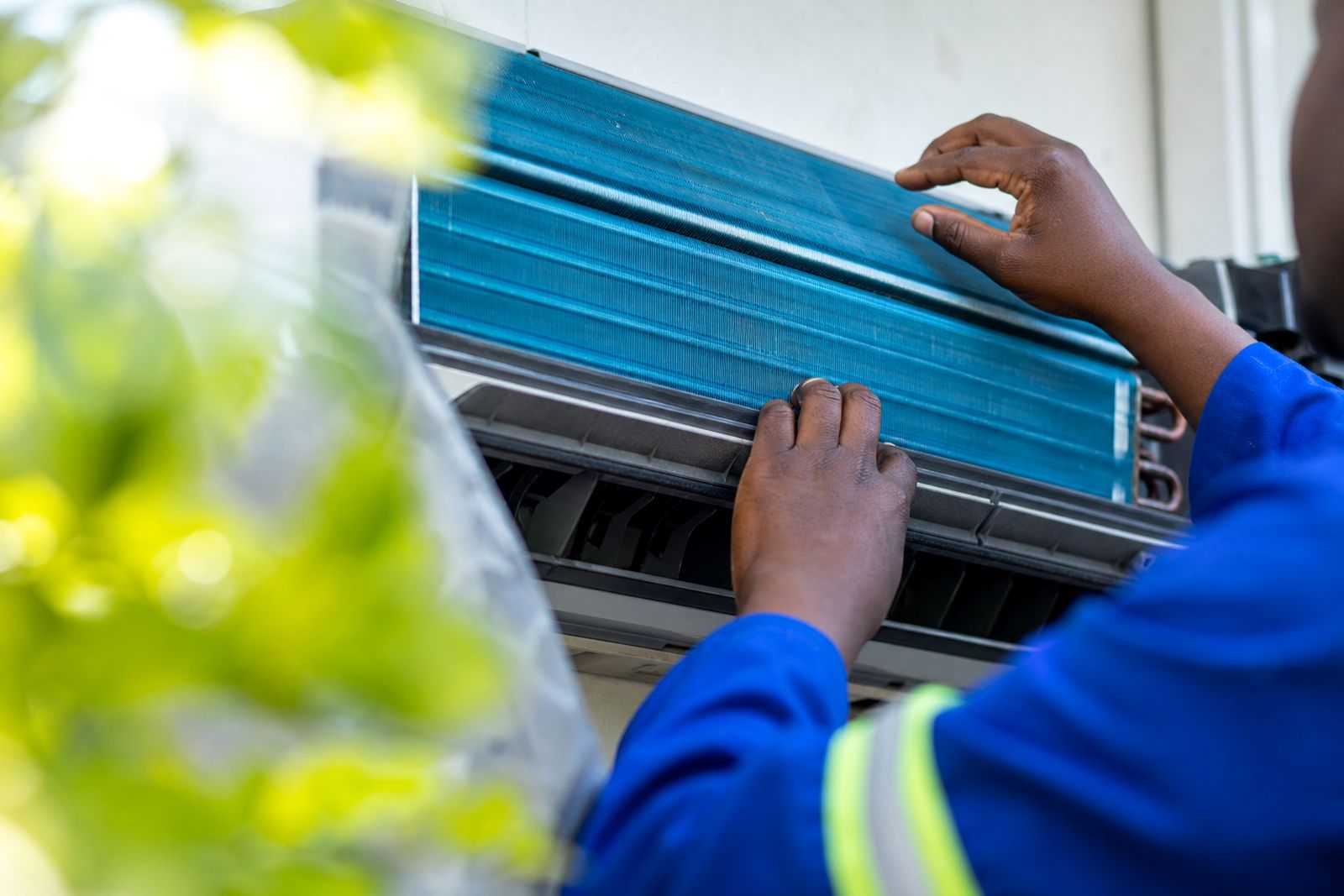
Evaporator and condenser coils are where heat is moved from one place to another. In simple terms, one coil absorbs heat and the other releases it. For that transfer to happen properly, air must pass freely over clean metal surfaces.
When dust, grease, lint or grime coats a coil, it acts like insulation. The system then has to work harder to move the same amount of heat. That means cooling can become slower and less consistent, even when the unit appears to be running normally.
Coil condition also affects the balance of the whole system. A dirty coil can upset temperatures and pressures inside the equipment, which places added strain on parts that depend on stable operating conditions.
How dirt affects efficiency and comfort
Dirty coils are a common cause of wasted electricity. Because heat transfer is reduced, the system may need to run for longer periods to reach the set temperature. Longer run times usually mean higher operating costs and more wear.
Indoor comfort can also suffer. Rooms may cool unevenly, humidity may feel less controlled and airflow can seem weaker because the system is battling to shed or absorb heat effectively. In workspaces, shops and larger buildings, those small losses can become noticeable across many areas.
People sometimes assume the thermostat or fan setting is the problem, but the coil surface may be the real issue. If filters are clean and basic settings look normal, restricted heat transfer deeper inside the unit is worth considering. For related owner checks, see basic maintenance and keeping filters clean.
Having your air conditioning coils cleaned regularly increases efficiency and life
When coils stay dirty for too long, the system operates under greater stress. Compressors, fans and controls can all be affected by extended running, poor heat rejection or reduced cooling capacity. That strain does not always show up as an immediate breakdown, but it can shorten the useful life of the equipment.
Having your air conditioning coils cleaned regularly increases efficiency and life. Moisture can add to the problem. On some indoor coils, dirt mixes with condensation and forms a film that is harder to remove. That build-up can contribute to drainage issues, odours and corrosion over time.
In refrigeration and ventilation related equipment, clean heat exchange surfaces are just as important. On outdoor coils, blocked fins can trap debris and restrict airflow even further. Once a coil is badly fouled or physically damaged, recovery is not always simple, which is why regular professional attention matters.
Why proper coil cleaning needs a technician
Coil cleaning is not simply a matter of spraying water or brushing away visible dirt. Coils are made of delicate fins that bend easily, and the wrong cleaning method can reduce airflow instead of improving it. Electrical parts, drain components and surrounding panels also need careful handling.
A qualified, registered technician can assess the type of contamination, the condition of the fins and whether deeper issues are present. Cleaning may involve safe access, suitable products, controlled rinsing and checks for blocked drains, damaged insulation or other faults affecting performance.
Anything involving electrical parts, gas or refrigerant should be left to a professional. Airconditioning Zone is a directory and information portal only, so we do not supply services or quote for work. You can use the directory for guidance on HVAC business categories, including contractors and suppliers and wholesalers, and what to ask when choosing businesses yourself.
Signs it is time to arrange professional attention
Coil problems are often hidden, but a few patterns can point to them. If cooling takes longer than usual, rooms feel clammy, the system runs for extended periods or outdoor sections seem excessively hot and dusty, coil condition may be part of the cause.
Useful owner observations include the following.
- Clean filters are in place, but performance still feels poor.
- Airflow seems normal at first, yet temperatures do not settle as expected.
- There is visible dirt on coil surfaces or around the fins.
- Condensation or drainage behaviour appears unusual.
- The unit has been exposed to grease, lint, coastal air or heavy dust.
If these signs sound familiar, a professional inspection is sensible. For broader guidance, browse guides. If you have questions about using the directory categories, or if your business wants to ask about a listing request, use the contact form.
Also worth a look


Ask about the guides or a directory listing
Send a note through our contact form with your question or your business details, and we will come back to you.
Open the contact form